Chatbot vs. Live Chat: Pros and Cons for Businesses

Chatbot vs. Live Chat: Pros and Cons for Businesses

Many businesses struggle to choose between chatbots and live chat for their customer service needs. The choice matters, as consumers want more human interaction in the future. The business case for automation makes sense too.

Benefits of Chatbots for Business
Businesses that use chatbots get competitive advantages through better operations and customer experience. Here are the main benefits chatbots provide compared to traditional live chat solutions.
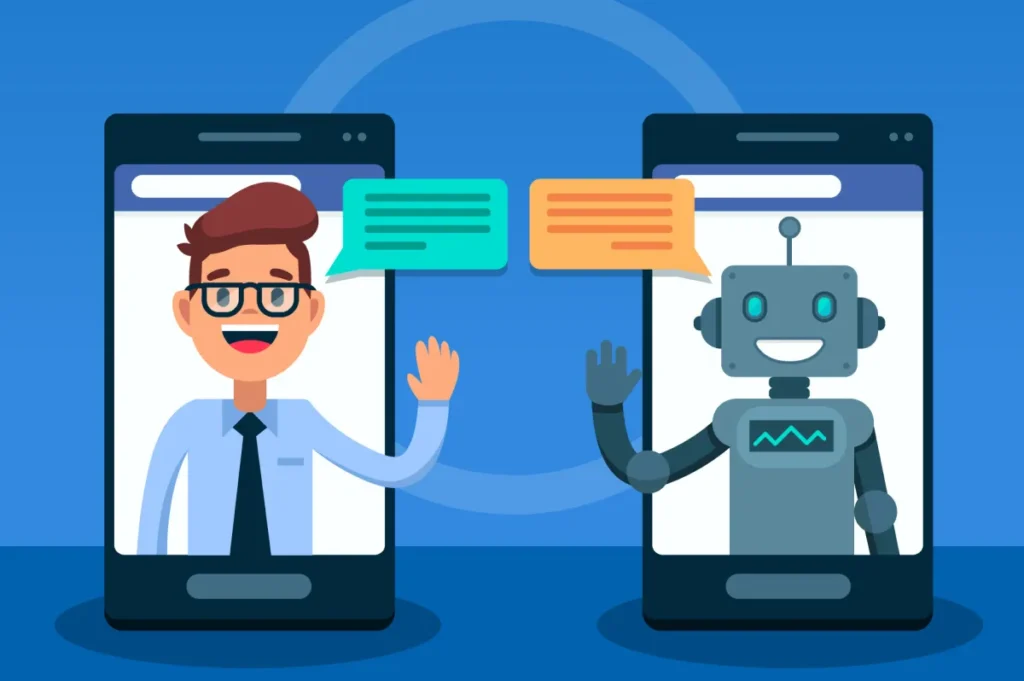
Friendly chatbot robot with message bubbles

24/7 Availability and Instant Responses

AI chatbots work around the clock without breaks, unlike human agents who have fixed working hours. This non-stop service builds customer satisfaction and loyalty. LLMs, or large language models, powering these artificial intelligence systems can handle multiple conversations simultaneously making sure that no customer waits in queue regardless of the time. Companies with global customers find this continuous availability gives them an edge in competitive markets. Modern LLM chatbots can provide instant responses across different languages and regions, making 24/7 support truly global. This always-on artificial intelligence capability transforms customer service from a cost center into a strategic advantage.
A 2023 Statista survey reveals how much customers value this accessibility. About 60% of US customers prefer chatbots because they’re always available while 45% love getting instant answers to their questions. Quick help keeps customers happy and reduces frustration during their buying trip.

Handling High Volumes with Scalability

Chatbots can handle many conversations at once, making them highly adaptable. These chatbots help manage the first wave of questions during busy times like holidays or product launches. This creates a smoother experience for customers and support teams.
Busy periods with lots of customer questions become much easier to handle. Chatbots prevent long waits by talking to multiple customers at the same time. They keep delivering the same quality service no matter how busy things get, unlike human agents who might feel overwhelmed.

Lower Operational Costs Over Time

The money-saving benefits of chatbots are clear. Research shows chatbots can handle up to 80% of routine questions and cut support costs by 30%. Each chatbot conversation saves about four minutes of agent time which means saving $0.50-$0.70 per question.
The upfront costs of building and setting up chatbots pay off well over time. Companies can grow their customer service without adding lots of new staff or overhead costs. These financial benefits make chatbots an attractive choice for businesses that want both efficiency and better customer experiences in the chatbots vs live chat debate.

Limitations of LLM Chatbots in Customer Support
Chatbots have impressive capabilities, but businesses just need to think over some key limitations when weighing chatbot vs live chat solutions. A clear understanding of these constraints helps create realistic expectations and proper implementation strategies.
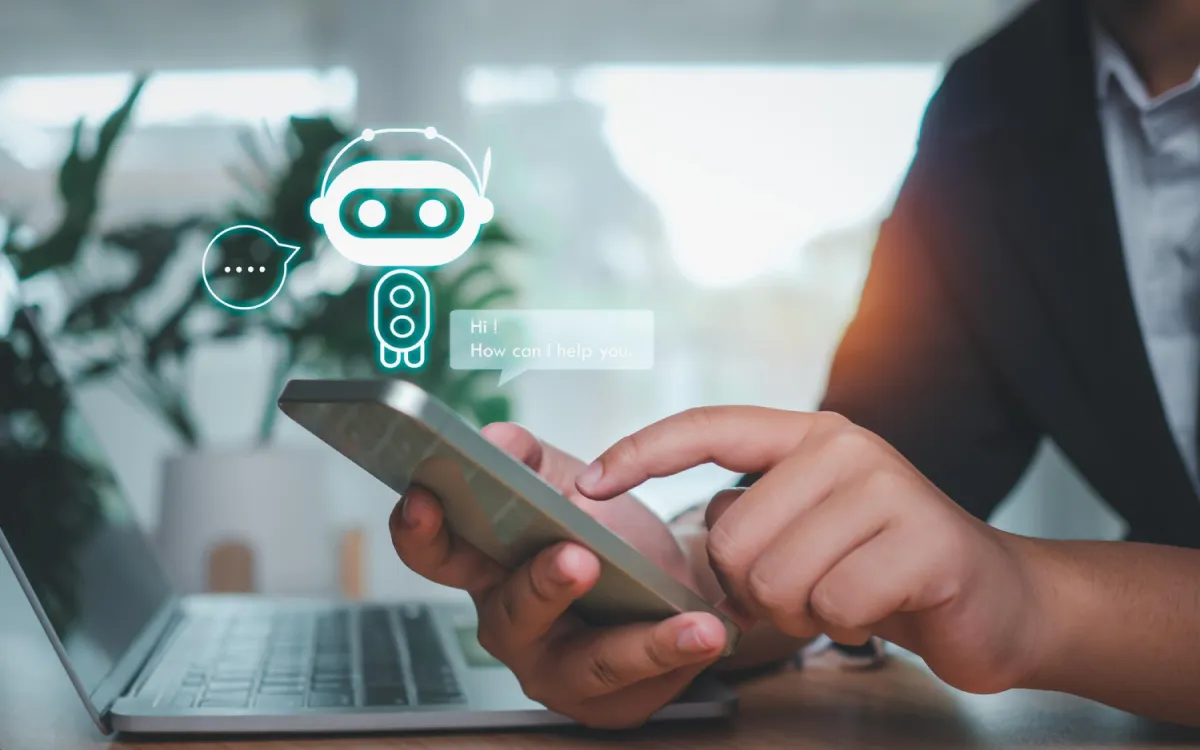
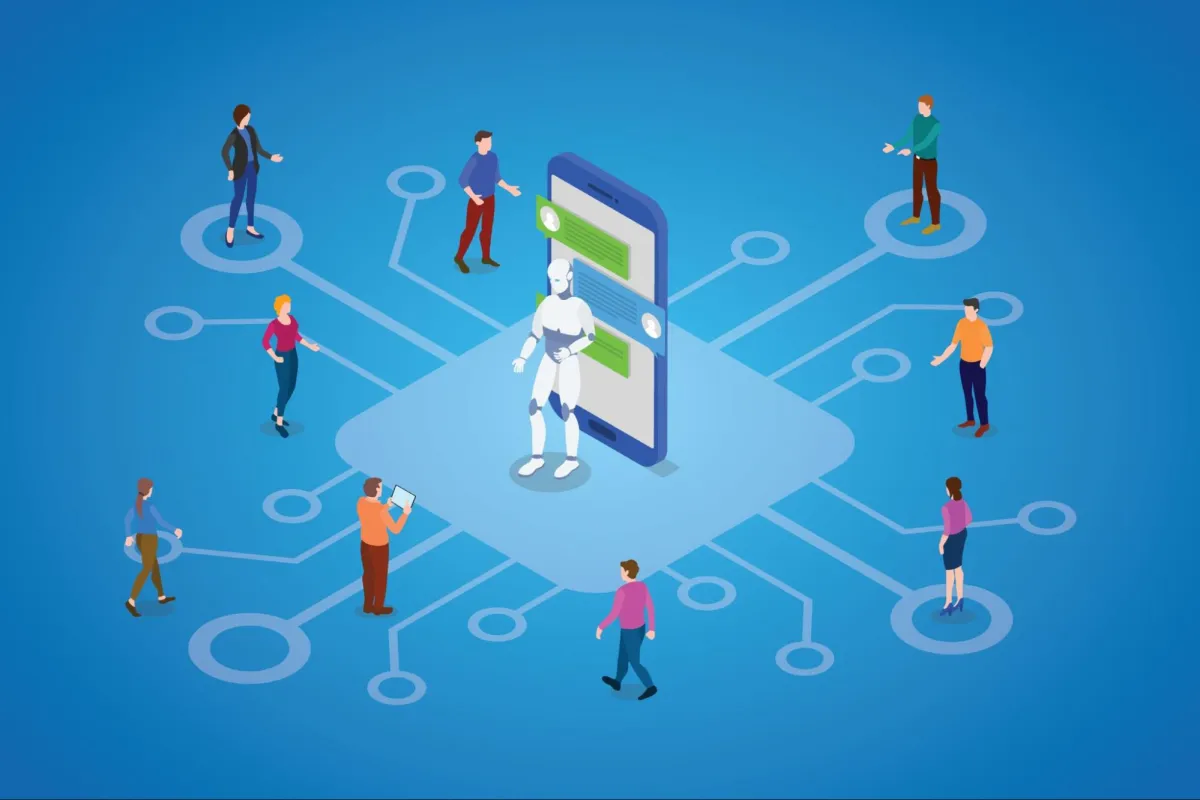
AI chatbot connecting people through mobile

Lack of Empathy and Human Understanding

Chatbots struggle at their core to understand human emotions. 80% of people felt more frustrated after chatbot interactions rather than satisfied. This happens because chatbots rely on keyword recognition and pattern matching instead of truly getting the emotional context of conversations.
Even cutting-edge AI models like GPT show an “empathy gap” that can cause problems in customer service. These artificial intelligence systems tend to make conversations feel fake and robotic. The real issue lies in AI chatbots’ inability to form genuine emotional connections since they lack actual concern for customer well-being. The lack of emotional intelligence in artificial intelligence becomes a real headache when customers feel strong emotions. When frustrated customers need understanding and compassion, AI technology often responds with scripted phrases that feel disconnected. This fundamental limitation means that artificial intelligence struggles to handle the nuanced, emotionally charged situations that human agents navigate naturally.

Challenges with Complex or Emotional Queries

Chatbots often hit a wall when conversations go beyond basic questions. Their responses can’t go past their training data, so they have trouble with a few things.
  • Questions that need context to understand
  • Topics that need careful emotional handling
  • Problems that need creative solutions or critical thinking
  • Cultural references, idioms, or slang
Yes, it is telling that only 8% of customers used chatbots for support, and just 25% of those would try them again. This hesitation comes in part from chatbots not knowing when to hand over complex issues to human agents.

Original Setup and Maintenance Requirements

Setting up effective chatbots takes serious money. On top of that, it represents just the starting cost.
Chatbots need constant care to stay effective. Without regular updates, they start performing poorly as their information gets old. The maintenance checklist should have the following things on it.
  • Regular content updates and knowledge base improvements
  • Bug fixes and technical upgrades
  • Performance tracking and optimization
  • New capabilities to meet changing customer needs
Changes to products, policies, or services mean updating the chatbots too. This endless maintenance cycle needs dedicated resources and skills that smaller businesses might find hard to keep up with.
Companies weighing live chat vs chatbot solutions should note these limitations. If you’re struggling to know what to do, reach out to Building Brands Marketing for a consultation! We can walk you through options to help you make the best choice!

Live Chat Advantages for Customer Experience

Studies reveal that 41% of consumers choose live chat as their preferred support channel. Though chatbots bring automation benefits, live chat vs chatbot solutions create an experience that customers value a lot more.
Smiling customer support agent wearing headset

Real-Time Human Interaction

Technology alone cannot match the connections humans create through live chat. A large percent of customers pick human support over AI even with equal wait times. This choice stems from the emotional intelligence that human agents bring to each conversation.
Support representatives can respond right away and add a genuine human feel to solve problems. Customers expect quick responses. Human-led interactions build trust through subtle communication cues that chatbots cannot detect.

Personalized Support Based on Customer History

Customer service reaches new heights when live chat platforms combine well with Customer Relationship Management (CRM) systems. Workers can quickly access browsing history, purchase records, and past conversations.
Representatives can shape their responses using detailed customer information. Customer priorities have shifted. Over 70% now expect companies to tailor interactions to their specific needs. This personal touch affects buying decisions too. Consumers show more interest in buying from retailers who know their purchase history or suggest relevant items. This ability to personalize gives businesses a key advantage when thinking over chatbots vs live chat.

Better Handling of Complex Issues

Human agents are much better at solving complicated problems that need critical thinking and context. They can do a few things automated systems can’t.
  • Cooperate across teams to find detailed solutions
  • Change their approach based on emotional signals
  • Direct through unclear situations with creativity and judgment
Businesses with complex products find this flexibility very valuable. This skill meets a basic customer need and that is solving complex issues in one conversation. Customer service needs the human element as issues become more complex and emotional. The benefits of live chat deserve careful thought when evaluating chatbot live solutions against human alternatives.

Drawbacks of Live Chat for Businesses

Live chat gives customers a customized experience, but businesses face some tough challenges. The comparison between chatbot vs live chat helps businesses make smarter choices about their customer service approach.
Tired man working on laptop computer

Limited Availability Outside Business Hours

Businesses using live chat face their biggest problem when customers expect service around the clock. This creates a huge gap in conversion rates and wastes marketing dollars.
Live chat staff must stay glued to their screens to send or receive messages fast. This makes it sort of hard to get one’s arms around providing coverage beyond regular hours. Unlike email or texting where delays are okay, customers just need instant responses with live chat. Time zone differences make things even trickier. Companies that don’t have a core team spread across time zones risk disappointing their customers who expect quick replies whatever time they reach out.

Higher Staffing and Training Costs

Running good live chat takes serious investment. Here’s what businesses deal with!
  • Fixed costs eat up budgets through salaries, training, and software
  • The core team usually takes 2-3 months to get fully trained
  • Handling sudden spikes in customer traffic becomes challenging
  • Extra time goes into managing staff and checking their work
Small companies with tight budgets feel costs hit harder. The tech side also means spending more on training since staff must become skilled at using the platform.

Risk of Human Error in Communication

Human agents bring great personal touch but can also cause mix-ups and mistakes in customer conversations.
Messages often get misread in text chats because you can’t see facial expressions or body language. This missing emotional context leads to unhappy customers when agents don’t get what they’re asking or reply the wrong way. Privacy creates another headache since customer service reps can see sensitive details like location, browsing history, and shopping cart items. On top of that, customer experience quality changes based on how skilled agents are and their workload. During busy times, agents trying to handle multiple conversations at once get overwhelmed, and service quality takes a hit.
The core question in this live chat vs chatbot debate is simple. Does having that human connection outweigh these operational hurdles for your business?

Comparison of Chatbot vs Live Chat

A feature-by-feature comparison between chatbot vs live chat support shows significant differences that affect business results. Let’s get into how these solutions stack up in different areas.
Human chatting with AI chatbot online

Customer Experience

The basic difference between live chat vs chatbot solutions comes down to emotional connection versus response time. Research shows people still want to speak with humans for support. Yet 62% would pick a chatbot to avoid waiting. Chatbots give instant answers with zero wait time. Live chat brings warmth and improves customer communication. This matters because U.S. consumers want more human interaction going forward.

Automation vs Human Problem Solving

The productivity difference stands out. Human agents can handle 3-4 chats at once. Chatbots can manage unlimited conversations without slowing down. This difference in scaling becomes obvious with higher volumes. At 50,000+ monthly conversations, chatbots stay about 85% cost-efficient compared to their original setup. Live chat teams drop to 35% efficiency because they need to keep hiring. 

Integration with CRM and Helpdesk Tools

Both options merge with existing systems but produce different results!
Chatbot-CRM integration links automated conversations with customer data. This lets the bot do many things.
  • Access and update records immediately
  • Greet customers by name and remember past chats
  • Trigger workflows automatically
Live chat integration offers many more benefits!
  • See customer information with one click
  • Save chat transcripts for sales teams
  • Create new leads right in the CRM

Long-Term vs Short-Term Cost Implications

Chatbots need upfront investment for development and setup. After that, they cost much less to run than live chat, which needs ongoing spending. The numbers favor chatbots as conversations increase. A typical human-handled support query costs about $6.00 while AI solutions cost around $0.50. Most businesses ended up choosing a hybrid approach. They use chatbots for simple, repetitive tasks and keep humans for high-value conversations.

Looking For A Marketing Consultation?

Your specific business needs, customer demands, and resources will guide your choice between these options. Smart companies now use both approaches together. They let chatbots handle routine questions while human agents tackle complex issues that need emotional intelligence and creative solutions. If you’re wondering what step to take, reach out to Building Brands Marketing, and we can talk you through what will be best for your company!

Chatbot vs Live Chat FAQs

How do chatbots and live chat differ in terms of customer service?

Chatbots offer 24/7 availability and can handle high volumes of inquiries simultaneously, making them ideal for routine questions. Live chat provides personalized human interaction, which is better suited for complex issues requiring empathy and creative problem-solving.

What are the main advantages of using chatbots for businesses?

Chatbots offer significant cost savings, 24/7 availability, and the ability to handle multiple conversations simultaneously. They can reduce operational costs by up to 30% and save businesses billions in customer service expenses while improving response times.

What limitations do chatbots face in customer support?

Chatbots struggle with understanding complex queries, lack empathy, and may frustrate customers in emotionally sensitive situations. They also require significant initial setup and ongoing maintenance to remain effective and up-to-date.

Why do some customers prefer live chat over chatbots?

Many customers prefer live chat for its human touch, ability to handle complex issues, and personalized support based on customer history. Live agents can adapt to nuanced situations, understand context, and provide empathetic responses that chatbots cannot match.

How do the costs of chatbots compare to live chat in the long run?

While chatbots require a higher initial investment for development and implementation, they offer lower long-term operational costs compared to live chat. As conversation volumes increase, chatbots become more cost-efficient.