PPC for Small Business Marketing And Why It’s Pretty Cool

PPC for Small Business Marketing And Why It’s Pretty Cool

PPC advertising has stood the test of time as a trusted marketing method for over 20 years, and its popularity keeps growing. You might wonder if PPC is worth it for your company. The numbers speak for themselves. 96% of brands run PPC ads on Google, making it the leading platform for pay-per-click campaigns. On top of that, PPC visitors buy products 50% more often than organic visitors, which proves how well it drives sales.
The promising numbers tell only part of the story. Your PPC success depends on smart implementation to maximize your investment. Building Brands Marketing specializes in PPC management for small businesses. We know proper campaign setup can mean the difference between wasted ad spend and real business growth. This piece will help you decide if PPC fits your business goals and budget.

What is PPC and how does it work?

Pay-Per-Click (PPC) is an online advertising model that charges you when someone clicks your ad. You buy visits to your website instead of earning them through search engine optimization (SEO). PPC lets you select keywords and create relevant ads. Users who find these ads compelling enough will click through to your site.

How PPC ads appear on platforms like Google

PPC ads show up in multiple places across the digital world. Google Search displays these ads at the top and bottom of search results pages with an “Ad” label. 

What small businesses need to start a PPC campaign

Small businesses need several core elements to launch a successful PPC campaign.
  1. A clear budget cap (daily or monthly)
  2. Relevant keywords for your industry
  3. Compelling ad copy that drives clicks
  4. Optimized landing pages for conversions
  5. Analytics tracking to measure performance
Understanding simple pay-per-click terminology is vital, terms like CPC (Cost Per Click), CTR (Click-Through Rate), and Quality Score will help campaign successes.

How PPC bidding and keyword targeting works

An auction system powers every PPC campaign and determines ad placement when users search. The system runs an instant auction when someone enters a query. Your bid amount, ad quality, and relevance compete against other advertisers.
Your maximum cost per click defines your bid, while keywords build your targeting strategy. The best results come from balancing both broad keywords, like “cleaning services,” and long-tail keywords, such as “affordable deep cleaning services in Chicago.” Long-tail keywords typically cost less and convert better because they match specific user intent.
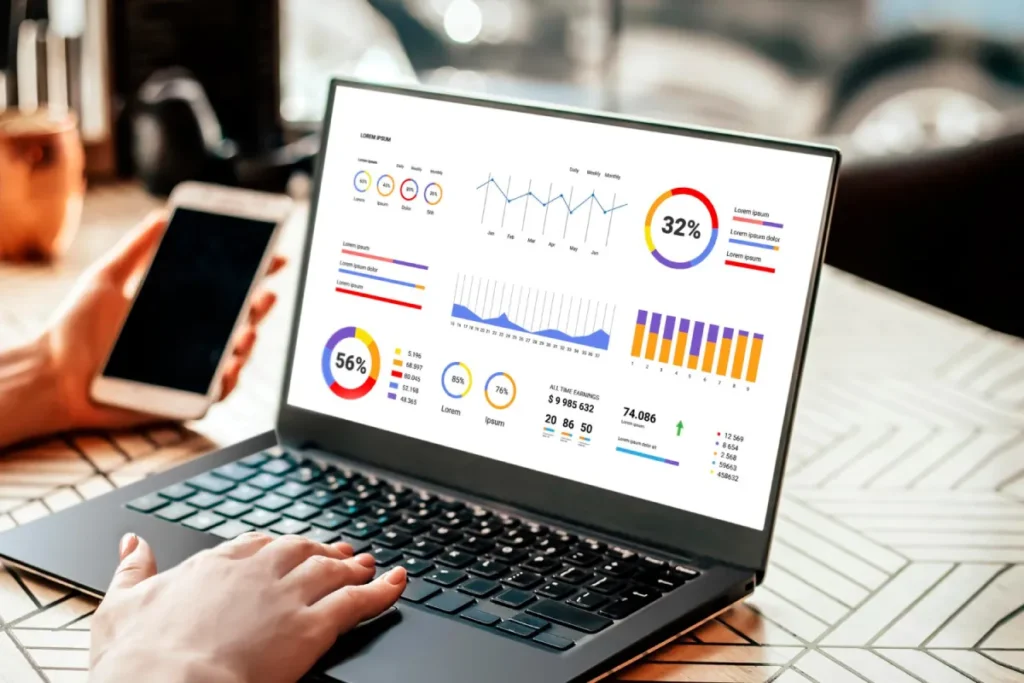
Laptop displaying business analytics dashboard

Pros of pay-per-click for small businesses

Small businesses find it hard to compete with bigger companies online. PPC advertising creates a level playing field and gives several unique advantages that work well with limited resources and growth goals.

Fast visibility and traffic with PPC

PPC delivers quick visibility and traffic, unlike SEO strategies that may need months to show results. Your ads show up at the top of search results the moment your campaign starts. This quick exposure makes pay-per-click especially valuable when you have time-sensitive promotions, product launches, or seasonal offers. 

Exact niche audience targeting

PPC excels at reaching specific audiences with amazing precision. 
  • Geographic location
  • Demographics
  • User behavior
This targeted approach means your budget goes to interested viewers who are more likely to convert.

You have the budget control

Small businesses get unmatched financial flexibility with PPC. You can set daily or monthly spending limits, and Google Ads will automatically pause your campaign when you hit your maximum. You only pay when someone clicks your ad, not for views. This pay-for-performance model lets businesses test campaigns without risk.

Boosts brand awareness

PPC helps build brand recognition, even when users don’t click your ads right away. Your business gets noticed across many platforms, from search engines to social media and strengthens your presence with potential customers. This steady exposure builds trust and familiarity over time.

Easy to track and measure performance

PPC platforms give you analytics that show how campaigns perform. You can track clicks, conversions, cost per click, and overall ROI in real-time. This evidence-based information helps you adjust campaigns and improve results while using resources.
Person analyzing dashboard on laptop

Cons of PPC for small businesses

PPC brings great benefits, but small businesses should think about some potential drawbacks before jumping in. At Building Brands Marketing, we believe that honest education helps our clients make smart choices about where they put their advertising money. Here are some things you should know before investing in PPC.

High cost in competitive industries

Keyword costs keep climbing in competitive industries and can quickly eat through tight budgets. Insurance, legal and local services can run fairly high. Some businesses can end up spending $100 to $100,000 monthly on PPC campaigns. Making a profit can become tough without the right strategy.

Requires constant monitoring

PPC campaigns are systems that need regular checks on performance metrics, keyword relevance, and your position against competitors. Businesses without expertise can make optimization mistakes that get pricey and hurt their success.

Short-term results without ongoing spend

PPC differs from SEO because it stops working when you stop paying. Your visibility vanishes the moment you pause campaigns. This creates an ongoing need where businesses must keep investing to maintain their traffic and leads.

Click fraud and wasted ad spend

Click fraud poses a threat to your marketing budget. Research shows 14% of search clicks are fraudulent. Some industries face more fraudulent clicks than others.
Online fraud and identity theft illustration

Make PPC work for your small business

Small businesses can turn pay-per-click into a profitable channel through strategic planning and careful execution. Our team has refined these five critical steps that maximize results and minimize wasted spend.

Start with a clear goal and budget

Your PPC campaigns need specific, measurable objectives. The focus could be brand awareness, lead generation, or direct sales. These goals will shape your keyword selection and landing page design. A modest daily PPC budget lets you test different formats without much financial risk. You can increase your investment once you learn what works best with your audience.

Use negative keywords to avoid waste

Smart budget management includes implementing negative keywords that stop your ads from showing up in irrelevant searches. For example, a premium pet supplies seller should add “cheap” or “free” as negative keywords to filter out bargain hunters. This approach reduces wasted clicks.

Optimize landing pages for conversions

Visitors take action based on your landing page quality. The best landing pages have these elements.
  • Clear copy that matches your ad messaging
  • Strong, obvious calls-to-action
  • Mobile-friendly design with fast loading times
  • Professional visuals that keep visitors focused

Test and refine ad copy regularly

A/B testing helps you find ad elements that appeal to your audience. You could try variations like “Get 20% Off Your First Order!” versus “Order Now and Save Big Today!”. The testing process never ends, it improves performance continuously.

Track performance with analytics tools

Running campaigns without tracking is like flying blind. Your conversion tracking should match campaign objectives, whether you measure downloads, form submissions, or purchases. Live insights from analytics tools help you make quick adjustments and better allocate your marketing budget.
Printed charts and data reports

Are we ready to make money with PPC?

PPC for small businesses can deliver strong returns when campaigns are built with clear goals, smart keyword targeting, and ongoing optimization. While costs and management requirements are real considerations, many small businesses see worthwhile results, especially when PPC is handled by experienced professionals who focus on efficiency and performance.
If you want to learn more about PPC or need help starting your campaign, Building Brands Marketing can help. Our marketing firm manages PPC campaigns from setup through daily optimization, with clear reporting and a focus on protecting budget. 

Sit Down With A Marketing Pro

Listen, we can’t stand pushy salespeople either. That’s why we’ve tossed out the high-pressure playbook and invite you to a relaxed, no-obligation conversation with one of our marketing pros instead. And if we’re not a good fit, we’ll point you toward the right resources that will help.

What Will You Get?

Frequently Asked Questions

How much does PPC advertising typically cost for small businesses?

The cost of PPC advertising varies widely depending on the industry and competition. Most small businesses spend between $100 to $100,000 monthly on PPC campaigns. It’s important to start with a modest daily budget of $20-$50 to test different formats before scaling up.

What are advantages of using PPC for small businesses?

PPC offers several key benefits for small businesses, including fast visibility and traffic, precise audience targeting, flexible budget control, increased brand awareness, and easy performance tracking. It can deliver immediate results and allows businesses to compete effectively with larger companies in the digital space.

How long does it take to see results from a PPC campaign?

Unlike SEO strategies that can take months to show results, PPC can deliver immediate visibility and traffic. Businesses can start generating qualified leads within 24 hours of campaign activation. However, it’s important to note that ongoing optimization is necessary for long-term success.

Is click fraud a concern for small businesses using PPC?

Yes, click fraud is a legitimate concern. Studies show that about 14% of all search clicks are fraudulent, with some industries experiencing even higher rates. This can lead to significant wasted ad spend, potentially exceeding $15,000 annually for businesses spending the average $9,000-$10,000 monthly on PPC.

How can small businesses optimize PPC campaigns for better results?

To optimize PPC campaigns, small businesses should start with clear goals and budgets, use negative keywords to avoid wasted clicks, optimize landing pages for conversions, regularly test and refine ad copy, and track performance using analytics tools. Working with a specialized PPC management agency can also help maximize results while minimizing wasted spend.