
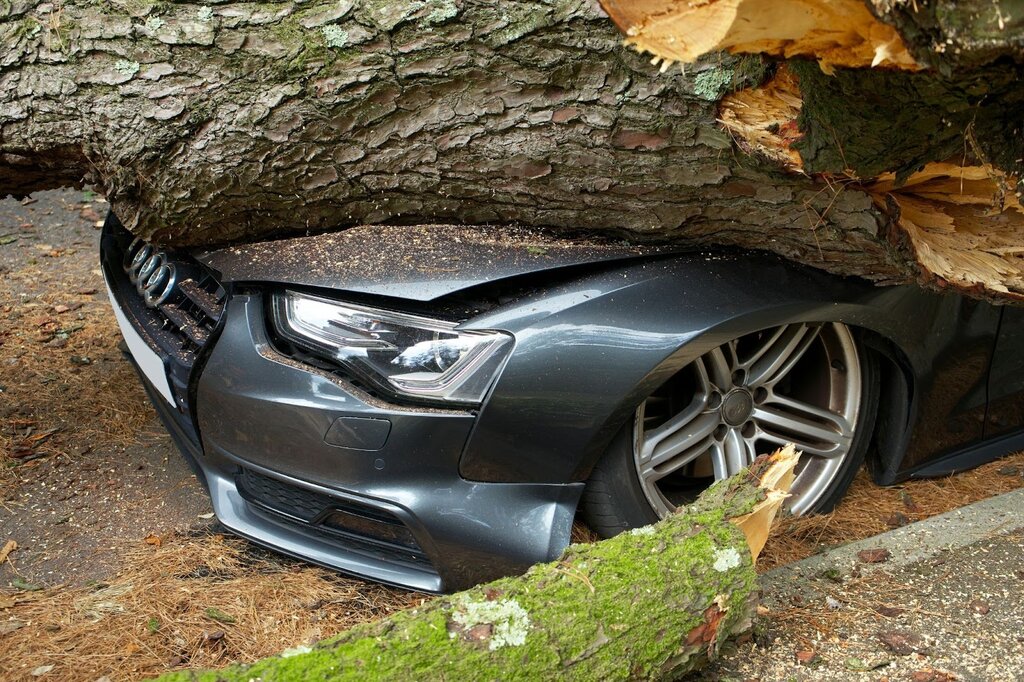
Drive Virginia’s highways long enough and you’ll notice something unsettling. Whether you’re crawling through I-64 gridlock or cruising two-lane farm routes, crashes happen constantly. We’re talking 127,597 motor vehicle crashes throughout Virginia during 2023 alone, one wreck every 4.1 minutes. That’s not a typo.
If you understand what triggers these Virginia car accident causes, you’ve got a fighting chance to spot danger before bumpers meet. This breakdown covers the most common accidents in Virginia, the mistakes and conditions spawning them, and what to do when things go sideways despite your best efforts.
Take Portsmouth, for instance. You’ve got naval shipyard shifts mixing with freight haulers and beach-bound vacationers, all squeezing through an aging street layout that depends heavily on bridges. Daily bottlenecks put everyone’s patience through the wringer.
Here’s the thing about collisions in Portsmouth and nearby areas knowing where you stand legally can make or break your recovery. When you’re dealing with nasty injuries, muddy fault questions, or an insurance company playing hardball, a car accident lawyer portsmouth becomes invaluable for clarifying your rights and walking you through what comes next while you heal.
Breaking Down Virginia Car Accident Causes: What Actually Happens Out There
When you grasp *why* wrecks occur, you’re halfway to dodging them. Let’s zero in on the biggest risk buckets Virginia drivers encounter daily.
The Big Picture on Crash Types
Human error? That’s your main culprit by a mile. The common vehicle accidents Virginia experiences most often involve distracted drivers rear-ending someone, speed-fueled loss of control, impaired judgment calls, and exhausted drivers zoning out. Road engineering plays a role too; intersections, merging lanes, and tight curves force traffic into collision hot zones.
Weather yanks away your safety cushion through downpours, fog banks, snowfall, and black ice. Vehicle problems like shot tires, worn brakes, or dead lights escalate minor hiccups into full-blown emergencies. Construction zones squeeze lanes and mess with traffic patterns without much warning. Then there’s commercial trucks hauling serious weight with massive blind spots and stopping distances that could span a city block.
How Different Virginia Regions Stack Up
Hampton Roads gets coastal fog rolling in that erases visibility in heartbeats. Northern Virginia? You’re fighting nonstop congestion where distraction meets tailgating head-on. Western mountain passes demand respect for curves and surprise wildlife encounters. Richmond’s urban grid packs in intersection headaches and pedestrian conflicts.
Sure, pavement quality and mechanical failures contribute, but here’s the truth: most Virginia crashes trace straight back to split-second human choices.
What Drivers Do Wrong That Leads to Most Common Vehicle Accidents in Virginia
The Distraction Trap That Causes Road Accidents in Virginia
Smartphones are the obvious villain, but modern dashboards packed with touchscreens pull your eyes away for five seconds minimum plenty of time to barrel across a football field at interstate speed. Programming GPS mid-drive, grabbing lunch, spilled coffee, screaming kids in back, loose pets bouncing around all of it rips your attention from what’s ahead.
Here’s your move: lock that phone before you shift gears. Punch in directions before rolling. Voice commands work for calls and messages, but they still fracture your concentration. Anything taking more than ten seconds? Pull over first.
Speed Problems and Following Too Close in Virginia Traffic Accident Reasons
Virginia logged 25,274 speed-related crashes throughout 2023, representing 19.81% of every traffic wreck statewide. Speed isn’t always about recklessness; sometimes it’s creeping up on empty highways, gambling on yellow lights, or misjudging how sharp a curve actually is.
Even with your eyes glued to the road, excessive speed combined with riding someone’s bumper crushes your reaction time and amplifies every other hazard. Adaptive cruise control helps some, but you’ve still got to manually widen your gap when rain starts or traffic bunches up. Slow down *before* curves and exits, not while you’re in them.
Hot-Headed Driving and Outright Road Rage
Speeding violations frequently morph into aggressive stunts, lane weaving, tailgating, risky passes that transform small errors into pileups. Multi-lane slaloms on I-95, sketchy two-lane overtakes, and brake-check revenge maneuvers all spring from impatience.
Give aggressive drivers plenty of room. Skip eye contact with angry motorists entirely. If someone’s tailing you aggressively, duck into a gas station or busy parking lot. Dash cameras capture behavior that becomes gold when fault arguments heat up later.
Driving Under the Influence Across Virginia
Aggressive moves come from impatience, but impairment strips away the judgment you need to spot danger coming. Virginia recorded 14,246 DUI convictions during 2023, with 66.5% involving male drivers.
Don’t stop at alcohol. Cannabis mixed with other substances, drowsy allergy meds, prescription painkillers all of them muddy your reflexes. Read pill labels before getting behind the wheel. Line up rideshare or a designated driver before drinks start flowing. Companies with safety-critical positions need firm policies covering shift workers juggling fatigue and medication timing.
Even careful, alert drivers face higher crash odds when Virginia’s road layouts channel traffic into conflict points.
How Road Design and Traffic Patterns Create Common Accidents in Virginia
Intersection Wrecks and Left-Turn Gambles
Causes of road accidents in Virginia frequently pile up at intersections where left-turners guess wrong about oncoming speed or punch through stale yellow lights. Red-light runners pile on extra collision risk.
Wait for protected green arrows when you can. Don’t inch into the intersection if your view’s blocked. Scan crosswalks, opposing traffic, mirrors, and blind spots before you commit.
Rear-End Smashups in Stop-and-Go Mess
Intersections breed left-turn and angle collisions, sure, but Virginia’s jammed corridors spawn an equally common nightmare: rear-end impacts during stop-and-go crawls. Distraction plus tight following plus sudden braking near merge points equals crunched bumpers and whiplash claims.
Brake early and gently to give the following drivers warning. Keep extra buffer room when you’re stuck behind trucks or SUVs blocking your forward view.
Sideswipes and Merge Disasters on Interstates
When traffic finally loosens on interstates and beltways, drivers switch from braking mode to merging and that’s exactly where sideswipe and blind-spot crashes jump. Last-second exit cuts and failed zipper merges manufacture collision opportunities.
Signal three full seconds before lane changes. Check over your shoulder even with blind-spot tech running. Pick your lane position deliberately near ramps.
Road geometry sets up crashes, but rain, fog, ice, and sun glare can delete your safety margin instantly.
Weather Chaos and Seasonal Dangers Behind Virginia Traffic Accident Reasons
Rain, Hydroplaning, and Pooling Water
Standing water across low-lying pavement creates immediate hydroplaning threats. Bald tires and underinflated rubber make it worse. Check tread depth monthly with the penny trick Lincoln’s head should be partly hidden.
Hit a hydroplane? Ease off the gas, hold the wheel straight, skip hard braking. Your tires need grip back before steering works again.
Fog Banks and Vanishing Visibility
Rain slows things down naturally, but dense fog presents an equally nasty challenge by erasing visibility before you can adjust. Coastal Hampton Roads and mountain hollows get sudden fog walls that trigger chain-reaction rear-enders.
Run low beams in fog, high beams bounce back and blind you worse. Double your following space minimum. Skip hazard flashers while moving unless you’re stopped in the roadway.
Your Virginia Car Accident Questions Straight Answers
Does Virginia use at-fault rules for car crashes?
Absolutely. Virginia runs an at-fault system where the driver who caused the wreck covers damages. But watch out Virginia’s harsh contributory negligence rule blocks recovery if you’re even 1% responsible.
Do I need police for fender-benders in Virginia?
Call them if anyone’s hurt, damage looks serious, or fault’s getting argued. Police reports give you independent documentation protecting your claim, even when damage seems minor initially.
Can crummy road conditions make cities liable?
Possibly. If shoddy maintenance, missing signage, or ignored potholes caused your crash, Virginia or local governments might share fault. Document conditions thoroughly with photos and precise locations.
Safeguarding Your Rights After a Virginia Collision
Understanding *how* Crashes unfold helps you avoid them, but when a wreck happens despite your caution, what you do in those first crucial hours determines whether you’ll recover fair compensation. Photograph vehicle positions, damage patterns, skid marks, traffic signals, weather, road surface quality.
Grab witness names, plates, and insurance information. Get medical evaluation same-day even feeling fine many injuries surface hours or days afterward. Maintain a symptom diary, preserve receipts, document missed work days. Limit recorded statements to insurers and dodge early lowball settlement offers. Keep crash details off social media completely. Virginia traffic accident reasons become clearer with solid documentation and professional legal backing when serious injury or disputed liability enters your situation.