
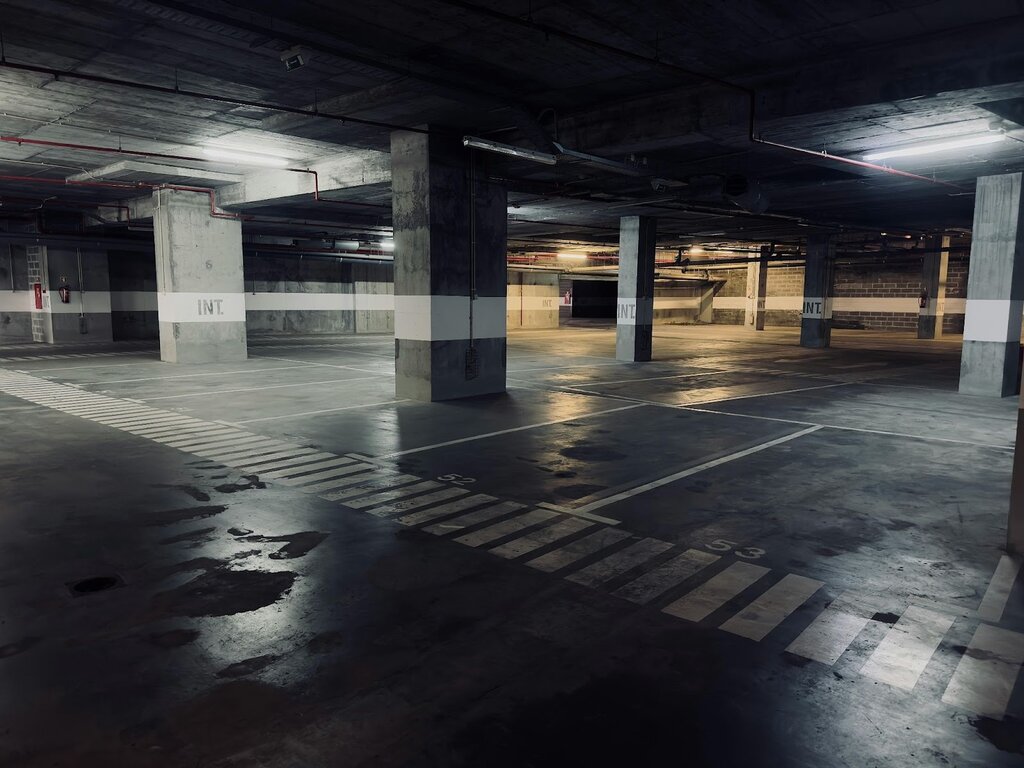
Introduction: Why Strategic Parking Lot Security Camera Placement Matters
Here’s something you probably already know: criminals don’t just wander around looking for random opportunities. They’re strategic. They hunt for weak points—places where they know surveillance won’t catch them in the act. And guess what? Your parking facility sits right at the top of their target list. Vehicles, equipment, people—they’re all exposed out there.
Existing centralized parking management systems face limitations in real-time processing and scalability, highlighting the need for a new approach. What you really need isn’t just more cameras scattered around. You need smart positioning—overlapping zones that squeeze out blind spots and capture crystal-clear evidence the moment something goes sideways.
Pre-Installation Assessment: Mapping Your Parking Lot Security Needs
Hold on. Before you grab a ladder and start bolting cameras to walls, take a breath. Rushing this phase burns your budget on equipment that won’t actually solve your problems. Each parking structure comes with its own set of headaches—layout quirks, traffic flow, environmental challenges. Copying someone else’s setup? That’s a recipe for disappointment.
Conducting a Comprehensive Site Risk Analysis
Walk your property at different hours. Do it in the morning rush. Then midday when things quiet down. Finally, after sunset when shadows take over. Pay attention to where the lighting falls apart, where cars tend to bunch up, and which corners feel uncomfortably isolated. Traffic patterns show you exactly where natural surveillance opportunities exist.
If you’ve got incident records, dig into them. Where did break-ins happen? Which spots generate complaint calls? Crime data doesn’t lie—it points directly to where cameras will actually make a difference. Why guess when you have facts sitting right there?
Understanding Your Parking Lot’s Unique Challenges
Multi-story garages? Completely different beast than flat surface lots. Open-air setups battle weather extremes and sun glare. Covered structures deal with shadows and inadequate lighting. Spaces serving employees, customers, and visitors all at once? You’ll need monitoring flexibility built into your approach.
Today’s facilities increasingly feature EV charging stations. These create brand-new high-value zones requiring dedicated attention. People park there longer. The equipment costs serious money. Both factors make them vulnerable to theft and vandalism. Many property managers now look toward integrated approaches that combine AI monitoring with live intervention—solutions that address parking lot security alongside emerging infrastructure demands.
Retail environments versus office complexes? Night and day difference. High-turnover retail lots need eyes-on-target throughout business hours. Office facilities face their biggest risks after everyone goes home and the property sits empty for hours.
Critical Placement Zones: Where to Install Security Cameras in Parking Lots
Understanding where to install security cameras in parking lots takes theory and transforms it into real-world protection. Some spots matter dramatically more than others when you’re designing comprehensive coverage.
Entry and Exit Points: Your First Line of Defense
Every single vehicle coming or going represents an opportunity you absolutely cannot miss. Position cameras between 10-15 feet up at gates and barriers where they’ll grab license plates without distortion. Dual-camera arrangements provide backup—one unit fails or gets blocked, you’ve still got footage rolling.
Angle matters tremendously here. You’re after driver faces and plate numbers at the same time, which demands precision positioning. Go too steep and plates blur into unreadable smudges. Too shallow and facial details vanish completely.
Perimeter Surveillance: Securing Your Parking Lot Boundaries
The best locations for parking space cameras along fence lines establish overlapping views that follow movement from start to finish. Corners eliminate those sneaky blind spots where someone can slip through your defenses unnoticed. Aim for seamless handoffs where one camera’s coverage ends precisely where another picks up.
And don’t forget adjacent properties and unofficial entry points. Criminals rarely use main gates when they can exploit a gap in your fence. Watch sections prone to climbing or wire-cutting.
High-Value Vehicle Zones and Vulnerable Areas
Executive parking spots, VIP sections, luxury vehicle areas—these deserve extra scrutiny. They attract experienced thieves who actively scout properties hunting for premium targets. Motorcycle and bicycle parking needs dedicated monitoring too. Smaller vehicles disappear fast when left unprotected.
Stairwells and elevator areas in garages create isolated pockets where assaults happen. Poorly lit corners, distant perimeter sections, areas blocked by support pillars—these demand additional attention. Emergency call boxes should always fall within camera view so you can verify and respond to distress immediately.
A dataset comprising 13,691 images was constructed using two cameras capturing frames every 3–5 s under diverse weather and illumination conditions, and a YOLOv8-based detector was trained for vehicle recognition. That kind of comprehensive data gathering shows how modern AI systems actually learn to handle messy real-world parking conditions effectively.
Advanced Parking Area Surveillance Tips: Camera Types and Optimal Positioning
Selecting appropriate camera technology for each zone ensures you’re capturing evidence that actually holds up, not just fuzzy generic footage. Different parking areas demand specialized equipment built for particular surveillance challenges.
Wide-Area Overview Cameras
Fisheye units mounted 25-40 feet high deliver 360-degree coverage that cuts down total camera counts while maintaining full visibility. Multi-sensor panoramic options work beautifully for sprawling surface lots where traditional cameras would require dozens of install points. Dewarping technology converts that fisheye distortion into footage security staff can actually work with. Virtual PTZ zones let you zoom into specific spots within wide-angle recordings during investigations without sacrificing overall context.
Specialized Cameras for License Plate Recognition
LPR cameras need specific shutter speeds—1/1000 second minimum—to freeze moving vehicles and grab readable plates. IR illumination extends nighttime recognition, creating 15-30 foot capture zones where plates stay legible regardless of how dark it gets.Integration with parking management systems builds automated databases that flag unauthorized or stolen vehicles the instant they roll onto your property. This proactive stance prevents crimes rather than simply documenting them afterward.
Height, Angle, and Technical Specifications for Maximum Effectiveness
Even premium cameras produce useless footage when you mount them incorrectly. Technical precision in height and angle separates effective surveillance from expensive disappointment.
Mounting Height Guidelines
Close-range facial recognition performs best at 7-9 feet. Vehicle identification needs 10-15 feet for optimal results. Wide-area monitoring requires 15-25 feet. Perimeter overview cameras hit their sweet spot at 25-40 feet. Anti-tampering concerns also push minimum heights upward in easily accessible locations. You’re constantly balancing coverage area against detail level. Higher mounting expands the field of view but reduces your ability to identify faces and read small text.
Camera Angle Optimization
Downward tilt angles run between 15-45 degrees depending on mounting height. Proper positioning dodges headlight glare that blinds cameras after dark. East-west orientation prevents sunrise and sunset from temporarily knocking out your surveillance during those critical transition hours.
License plate capture demands that critical 10-30 degree approach angle. Outside that range, character recognition falls apart. Sloped parking areas need angle adjustments to maintain optimal range across elevation changes.Parking area surveillance tips from seasoned installers emphasize testing angles before permanent mounting. Mock installations using temporary mounts let you verify coverage and adjust positioning before you drill permanent holes.
Comparison Table: Camera Types and Ideal Placement Zones
| Camera Type | Mounting Height | Best Location | Coverage Area | Primary Purpose |
| LPR Specialized | 10-15 feet | Entry/Exit gates | 15-30 feet depth | License plate capture |
| Fisheye 360° | 25-40 feet | Center of lot | Full lot overview | Wide-area monitoring |
| PTZ Active Tracking | 15-25 feet | Perimeter corners | 100+ feet with zoom | Threat tracking |
| Standard Dome | 10-15 feet | High-value zones | 30-50 feet | Vehicle/face detail |
| Bullet Long-Range | 15-25 feet | Fence lines | 75-100 feet | Perimeter security |
This parking lot security camera guide comparison helps you match technology to specific security requirements. You won’t waste budget on PTZ capabilities where fixed cameras provide adequate coverage, and you won’t under-spec critical zones demanding specialized equipment.
Emerging Trends and Future-Proofing Your Parking Lot Security
Technology keeps evolving, which means your camera placement decisions today need to accommodate tomorrow’s capabilities. AI breakthroughs and edge computing are reshaping what’s possible in parking surveillance.
AI-Powered Analytics and Edge Computing
Modern systems process video directly on-camera instead of shipping everything to centralized servers. The proposed system achieves end-to-end latency p50/p95 of 195 ms and 400 ms, respectively, while sustaining 10 FPS at 3.35 W (2.99 FPS/W) during continuous 24-hour operation. This efficiency enables real-time threat detection without massive infrastructure spending.
Behavioral analytics identify loitering, unusual movement patterns, vehicles approaching multiple cars—red flags that signal criminal activity before it happens. Automated alerts let security personnel step in before situations escalate into actual crimes.
Integration with Smart Infrastructure
Connected parking ecosystems share data across platforms, linking occupancy monitoring with automated pricing, access control, and emergency response. This integration builds unified security environments where cameras serve multiple operational functions beyond pure surveillance. Sustainability trends favor solar-powered cameras for remote lot sections, cutting installation costs while supporting green infrastructure goals. These systems run independently without expensive trenching for power lines.
Common Questions About Parking Camera Placement
How many cameras do I need for my parking lot?
Figure roughly one camera per 25-30 parking spaces for basic coverage, then adjust for layout complexity. Multi-level garages need more cameras per space than open surface lots because of structural blind spots.
What mounting height works best for capturing license plates?
Mount LPR cameras are 10-15 feet high with a 10-30 degree downward angle toward approaching vehicles. This height and angle combination delivers optimal character recognition across most vehicle types.
How do I prevent camera tampering in accessible areas?
Use vandal-resistant housings with IK10 impact ratings and mount cameras above 12 feet in high-risk zones. Tamper detection alerts notify you the moment cameras get repositioned or disabled.
Final Thoughts on Securing Your Parking Facility
Strategic camera placement consistently outperforms randomly installing more equipment. You’ve learned how pre-installation assessments identify vulnerabilities, how critical placement zones establish overlapping coverage, and why technical specs like height and angle determine whether footage proves useful during investigations.
Parking lot security camera placement success hinges on matching camera capabilities to specific zones while planning for future technology integration. Don’t accept coverage gaps that criminals will inevitably exploit—conduct thorough site analysis and position cameras where they’ll capture actionable evidence when incidents occur. Your parking facility deserves surveillance that prevents crimes rather than merely documenting them after the damage is done.